Concierge Internal Medicine for proactive adults.
Your annual executive physical, redesigned and distributed across the year. Comprehensive, state-of-the-art screening for the diseases that actually matter — heart, cancer, brain, metabolic — caught early, before symptoms. Proactive, granular, world-class care led by a board-certified internist with Mayo Clinic and University of Minnesota faculty background. Serving Folsom · Granite Bay · El Dorado Hills · Roseville · Sacramento.
Deeper reading: the year-long executive physical model · multi-cancer detection blood tests — what the data actually shows.
One flat monthly membership · founding-member rates (Signature, or Executive with the annual physical bundle) · Cancel anytime · Hindi · Urdu · Punjabi spoken
Concierge-Tier Service
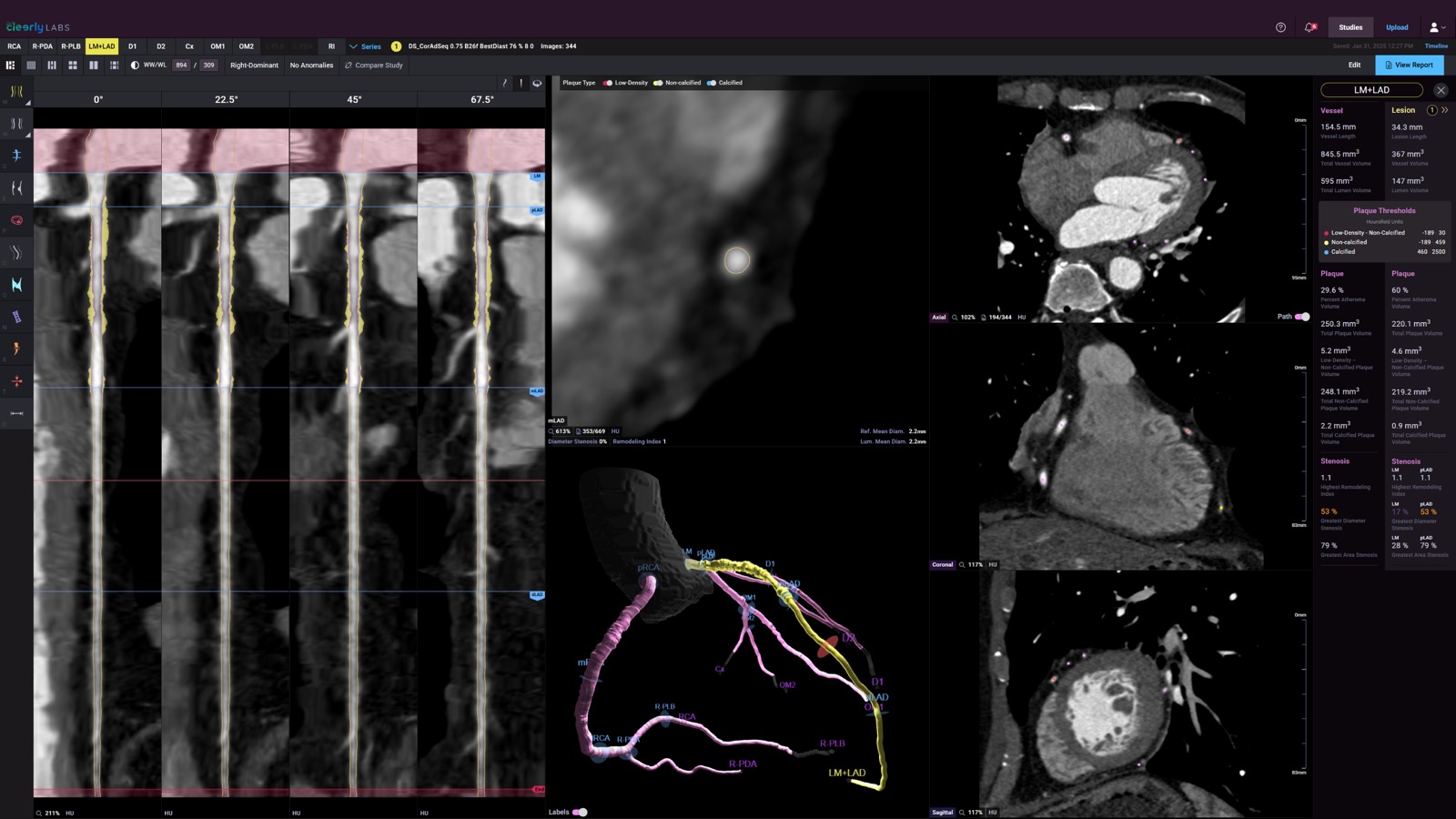
Advanced Cardiac Prevention — included in Signature and Executive.
AI-quantified coronary plaque imaging with Cleerly, ApoB and Lp(a) testing, lifestyle medicine, and physician-led interpretation. The screening your standard physical doesn’t do.
Comprehensive monitoring. Risk reduction. Earlier identification. Chronic disease management.
Same evidence-based screening as the elite SF and NYC longevity clinics. Better model. Less than half the cost. And we manage chronic disease with the depth of academic internal medicine — rare in any Sacramento-area private practice.
Four things, year-round:
- Monitor every system. State-of-the-art screening across heart, cancer, brain, metabolic, and quality-of-life pillars. Granular, beyond-routine, cutting-edge.
- Reduce risk where evidence supports it. Identify and address the conditions that disable or kill Americans most often — while the data still favors intervention.
- Make screening decisions you understand. We review the evidence behind emerging tools — AI-quantified coronary CT, multi-cancer detection blood tests, advanced biomarkers — and help you decide which actually apply to your personal risk profile.
- Manage chronic conditions with depth. When you already have a chronic condition — diabetes, hypertension, high cholesterol, thyroid, autoimmune disease — you get the clinical depth of an internist who practiced and taught at Mayo Clinic and the University of Minnesota. No referral roundtrip. Your concierge doctor IS the academic-grade internist.
The elite annual deep-dive clinics (Biograph, Fountain Life, etc.) charge $7,500–15,000 for one comprehensive day of scans and labs. Then they hand you 30 pages of findings, explicitly say they don’t replace your primary care, refer you out for actual disease management, and you don’t see them again for a year.
That’s the gap we fill. Private MD Concierge Internal Medicine is the ongoing, board-certified primary care practice that operationalizes the same evidence-based framework Peter Attia popularized in Outlive — integrated into a year-round, granular relationship with a real doctor who manages your chronic conditions, answers your texts, and adjusts the plan as your data evolves. Year-round. Local. World-class. At less than half the price of a single annual deep-dive elsewhere.
Show us another practice that does this. We haven’t found one.
Each individual element exists somewhere. Internists with academic faculty backgrounds. Concierge practices. Direct primary care. Advanced screening clinics. Multilingual doctors. But not all of them, together, at this price.
What makes Private MD Concierge Internal Medicine unique:
- A physician who practiced and taught at Mayo Clinic and the University of Minnesota — not just board-certified, but academically credentialed at two of the most respected institutions in American medicine
- The same categories of advanced screening discussed at top longevity clinics — AI cardiac imaging, multi-cancer detection blood tests, advanced biomarker panels — applied selectively, where evidence supports the test actually changing your clinical decisions
- Year-round, ongoing primary care — not an annual snapshot. Same physician monitoring you continuously, adjusting the plan as data evolves
- Real chronic disease management — diabetes, hypertension, high cholesterol, autoimmune disease, polypharmacy — with the depth of academic internal medicine training. No referral roundtrip for disease management
- Direct text and phone access to your doctor — not a portal queue, not a triage nurse, not a call center
- Multilingual access — English, Hindi, Urdu, Punjabi
- Local — Folsom, Granite Bay, El Dorado Hills, Roseville, Sacramento. No flights to SF Bay or NYC
- Far less than what comparable elite clinics charge for an annual snapshot — and unlike them, it includes the entire year of ongoing primary care
What we screen for — comprehensive, granular, beyond routine
Five pillars. Each one screened with state-of-the-art testing and cutting-edge technology, interpreted by your physician, integrated into a proactive year-long plan.
Questions? Get a quick answer.
- Heart disease — State-of-the-art cardiometabolic markers: ApoB, Lp(a), advanced lipid panel, hs-CRP, blood pressure optimization. Cleerly AI coronary CT angiography referrals when the data warrants it. Total cholesterol alone isn’t enough — we measure what predicts events.
- Cancer — Risk-stratified standard screening (colonoscopy, mammography, low-dose CT for eligible smokers, cervical, skin) at the right cadence for your profile. We discuss emerging options — multi-cancer detection blood tests, whole-body MRI — when clinically appropriate, and help you decide whether they add value for you.
- Brain & cognitive — Comprehensive sleep-architecture review, vascular risk modification, granular cognitive screening at the right age. The earliest, most proactive interventions are the ones that change the trajectory.
- Metabolic — Fasting insulin, HOMA-IR, hs-CRP, glucose patterns, body composition (DEXA when indicated). Catching pre-diabetes 10 years before standard screening would. 2-week diagnostic continuous glucose monitor (CGM) assessment for insulin resistance and metabolic syndrome — see what your glucose actually does, then build a plan around it. GLP-1 management when clinically appropriate (included in DPC).
- Strength, sleep, quality of life — The everyday metrics that compound over decades. Mobility, energy, hormone therapy (TRT/HRT) when clinically indicated, mental health. World-class care doesn’t end at lab numbers.
And the ongoing primary care that operationalizes it
- Direct physician access — phone, text, secure message. No portal queue.
- Same-day & next-day appointments — small panel, real availability.
- Unhurried 60-minute visits — virtual or in-person.
- Home visits in the Folsom area — included at Executive; arranged individually at a separate cost for Signature.
- Wholesale labs & medications.
- Annual written care plan — your personalized year-long screening, prevention, and optimization roadmap. Updated as your data evolves.
Where this fits the landscape
| One-day executive physicals | One-day longevity clinics | Private MD Concierge | Traditional primary care | |
|---|---|---|---|---|
| Cadence | 1× per year | 1× per year | Year-round relationship | 1–2× per year, 15 min |
| Annual cost | $3,000–5,000 | $7,500–15,000 | One flat membership — by inquiry | $0–500 in copays |
| Format | One intensive day | One intensive day | Ongoing partnership | Episodic visits |
| Replaces primary care? | No — refers back | No — referrals only | Yes | Yes (the basic version) |
| Advanced screening (MCED, AI CCTA, WB-MRI) | Sometimes | Sold/included | Discussed; coordinated when you choose | Rarely |
| Chronic disease management | No | No | Yes — academic internal medicine depth | Yes (limited time) |
| Where | Mayo, Cleveland, Cooper, etc. | SF Bay Area / NYC only | Folsom · Granite Bay | Local |
What it costs
Signature (Concierge + Longevity) is our concierge membership, at a founding rate of $349/month. Our Executive tier, by invitation, adds a bundled annual Executive Physical, CCTA + Cleerly, quarterly premium labs, priority access, and home-visit access as clinically appropriate. Additional home visits are arranged individually (subject to availability + service area). Compare the two memberships →
Deeper reading — the year-long executive physical model · multi-cancer detection blood tests — what the data shows
Who this is built for
This is the right program if you:
- Want serious cancer, heart, and cognitive screening — not just the boxes a 15-minute annual physical checks
- Manage one or more chronic conditions where attentive longitudinal care actually changes outcomes
- Are juggling multiple specialists and want someone who integrates the full picture
- Read Outlive (or wish you had) and want a real doctor running the plan, not a once-a-year tourist visit
- Find a 2–6 week wait for an appointment genuinely costly
- Want a physician who has time to actually think about your case
Probably not the right fit if you:
- Rarely see a doctor and have low-copay employer insurance
- Want straightforward everyday primary care without the extended screening
For Medicare patients
Medicare covers your clinical care normally — visits, preventive care, chronic disease management, covered labs. The membership fee only covers what Medicare doesn’t: the comprehensive screening protocol, state-of-the-art testing review, and your written Annual Care Plan. Structured the right way for Medicare patients.
Want the full breakdown?
How concierge compares to traditional primary care, what the data shows on satisfaction and outcomes, and what's actually inside a longevity workup — covered on the blog: